Why Traditional CMS is Dead: The Shift to AI-Driven Headless Architectures
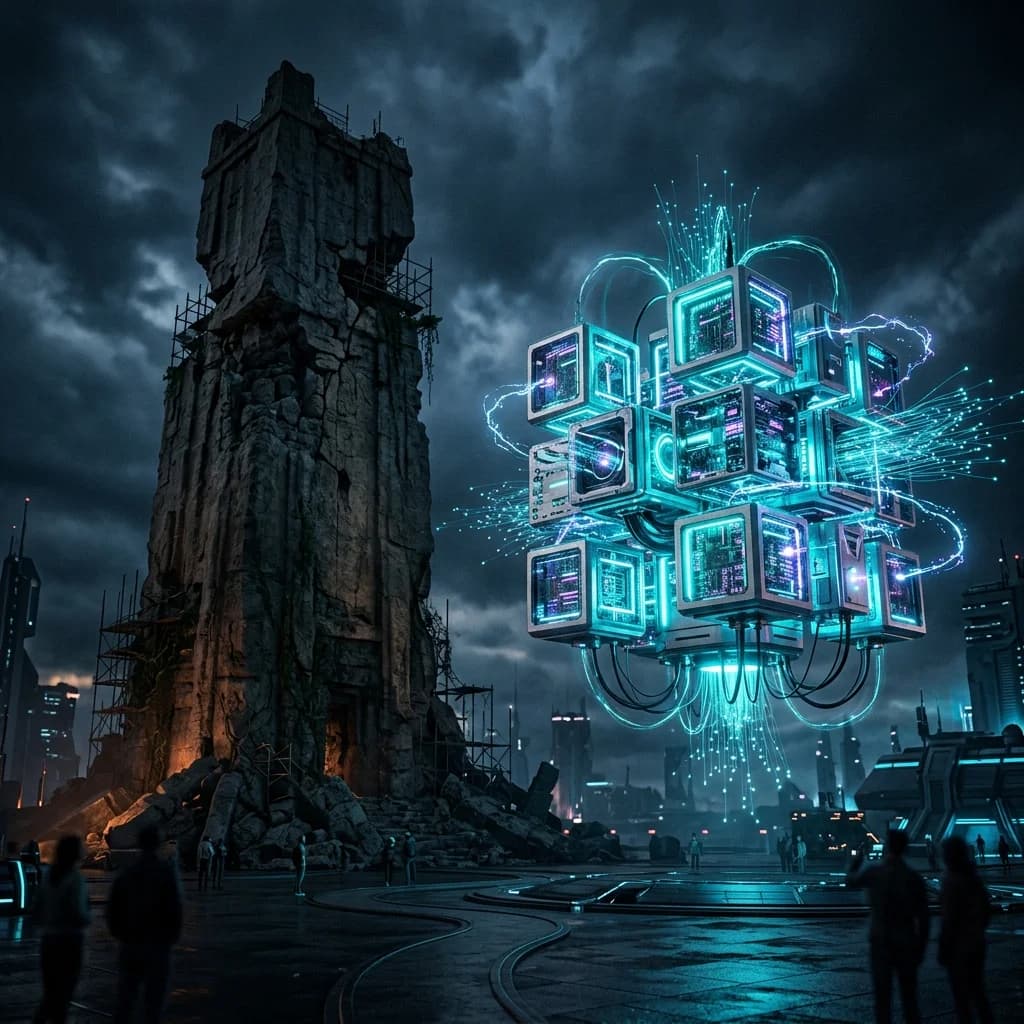
Monolithic content management systems can't keep up with modern scaling demands. Why Next.js and headless AI-driven pipelines are the new standard.
For years, platforms like WordPress dominated the internet. They were easy to set up and provided an all-in-one solution where the database, the backend code, and the frontend HTML were tightly coupled into a single monolithic block.
However, as web traffic scales and omnichannel marketing becomes the norm, monolithic CMS platforms have become an agonizing bottleneck.
A Headless CMS completely divorces the backend content repository from the frontend presentation layer. Instead of generating HTML, a headless CMS simply exposes your content via a high-speed JSON API. Your frontend—typically built with a highly performant framework like Next.js—consumes that API and renders the content blazingly fast.
The true power of headless architecture is being unlocked by Artificial Intelligence. AI agents can now connect directly to your headless CMS via API, drafting blog posts, updating product descriptions, and generating SEO metadata automatically in the background.
Because the content is just raw data, an AI can reformat a single blog post into an Instagram caption, a LinkedIn thread, and a short-form video script, distributing it instantly across all platforms.
The future of content management isn't a dashboard where human writers type articles. It's a highly decoupled data pipeline where AI engines generate, optimize, and distribute content seamlessly.